Premier Fishing Rod Brands: Quality, Outstanding Capability, and Competitive Pricing
Choosing the correct fishing rod is vital for both novice and experienced anglers. The manufacturer plays a significant role in establishing quality, performance, and overall value. Established names like Ugly Stik and Shimano offer dependability for beginners, while seasoned fishers may pursue advanced options from high-end manufacturers. Comprehending the subtleties of each brand can enhance the angling adventure. What factors should one take into account when making such a choice?
Important Aspects to Identify in Fishing Rods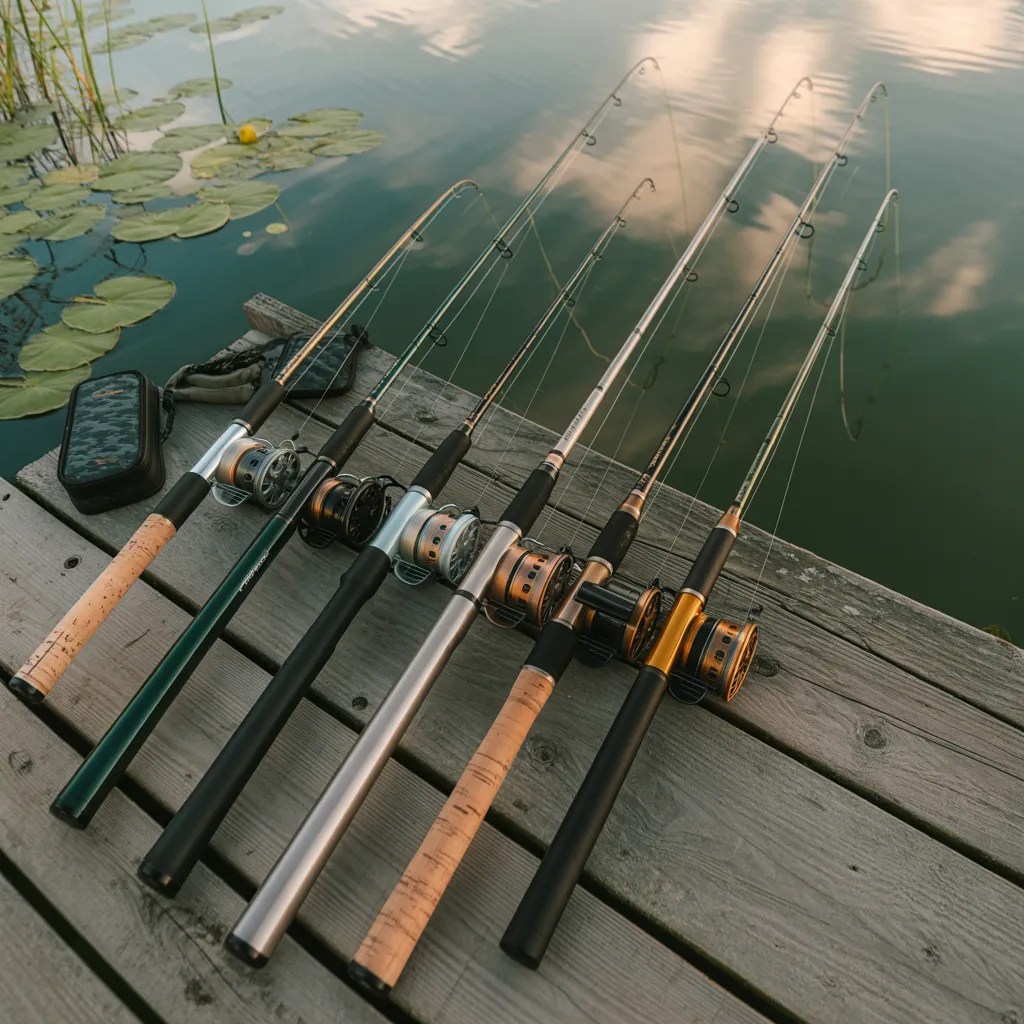
When deciding on a angling rod, anglers should consider several important aspects that can substantially impact their angling experience. The composition of the rod is essential; carbon material provides lightweight design and sensitivity, while fiberglass provides durability and fortitude. Length is yet another key factor, as extended rods can travel farther, while shorter fishing rods offer increased precision and command.
Action, which indicates the rod's responsiveness, affects how it responds to fish strikes. Fast action rods flex at the tip, giving quick response, while slow action rods flex throughout, giving a more lenient feel. Additionally, the power rating demonstrates the rod's strength to accommodate different fish sizes, with heavier rods built for larger species.
Ultimately, the handle and reel position should be pleasant, as they significantly affect the fisher's capacity to manage the rod while fishing. By thoroughly assessing these elements, anglers can select a rod tailored to their individual angling requirements.
Why Selecting the Right Brand Can Determine Your Fishing Experience
How crucial is the choice of brand when considering fishing rods? Selecting the right manufacturer can markedly affect a fisher's overall experience, influencing performance, durability, and comfort. Established brands often invest in innovation, producing fishing rods that offer high-grade materials and advanced technology. This can enhance sensitivity and strength, allowing anglers to recognize faint bites and handle substantial fish effectively.
Moreover, established companies generally offer better customer support and warranties, ensuring that users have recourse in case of problems or malfunctions. A well-regarded brand can also foster confidence, with anglers confident that their equipment will perform reliably under various conditions.
Conversely, lesser-known brands might compromise on quality, producing frustration that can detract from the pleasure of the sport. Ultimately, selecting a reputable manufacturer can transform a fishing trip from a basic outing into a memorable experience full of success.
Best Angling Rod Brands for Newcomers
Choosing the right fishing rod brand is essential for beginners seeking to improve their fishing journey. Several manufacturers excel for their craftsmanship, cost-effectiveness, and user-friendly designs. Ugly Stik, known for its strength and adaptability, offers rods that can endure various fishing conditions, making it ideal for novices. Shimano delivers light options with impressive sensitivity, helping beginners develop their abilities effectively. Abu Garcia is an additional excellent choice, showcasing affordable models that balance performance and user-friendliness. Additionally, Okuma rods are commended for their comfort and reliability, catering to those just starting out. Furthermore, Penn offers a range of options that blend quality and value, ensuring beginners have dependable gear. By selecting any of these brands, novice anglers can develop confidence and enhance their angling experience as they master the basics.
Leading Fishing Rod Choices for Expert Anglers
Professional anglers actively search for fishing rod manufacturers that emphasize innovative performance and the employment of exceptional materials. These companies support the specific requirements of seasoned anglers, enhancing their overall angling pursuit. Understanding the features that distinguish these rods can markedly determine both execution and triumph on the water.
Results-Focused Innovations
In the realm of fishing rods, several select brands stand out with their performance-driven innovations, customized for proficient anglers. These brands focus on boosting precision casting, responsiveness, and overall responsiveness, allowing skilled anglers to optimize their methods. Features such as comfort grips, enhanced blank technology, and optimized guides refine handling and reduce fatigue during long fishing sessions. Also, a few brands incorporate cutting-edge technology, like digital testing methods, to guarantee peak performance across various conditions. These innovations improve the fishing process but also enable anglers to aim for specific species with precision. As a result, seasoned anglers are increasingly choosing these brands to improve their fishing skills and obtain superior results on the water.
High-Quality Resources Selection
Leading angling equipment brands prioritize high-quality components to enhance performance and durability for experienced fishermen. High-modulus graphite, for example, provides a exceptional strength-to-weight balance, allowing for sensitive and lightweight rods. Brands often incorporate modern composite substances, such as fiberglass blends, to enhance resilience and flexibility under heavy loads. Furthermore, premium parts like steel guides and premium cork handles support overall rod longevity and user comfort. Some producers utilize exclusive resin formulations and protective coatings to further protect against wear and environmental damage. By choosing these high-performance materials, top brands ensure that experienced anglers enjoy maximum casting distance, accuracy, and control, ultimately enhancing their fishing experience. This dedication to superior materials sets apart premium rods in a challenging marketplace.
Budget vs. Premium Fishing Rods: Factors to Evaluate
How might one approach the selection between economical and premium fishing rods? Anglers regularly encounter the challenge of weighing performance against expense. Budget rods typically deliver acceptable functionality for beginning or casual fishers, offering core features without major monetary burden. These rods are generally heavier and may miss sensitivity, yet they work satisfactorily for simple fishing endeavors.
On the flip side, elite rods are constructed from advanced materials and engineered for improved sensitivity and responsiveness. They are more lightweight, often improving the overall fishing experience. The financial commitment in a premium rod often justifies similar resource itself for serious anglers who focus on performance and durability.
In the end, the decision relies on individual needs and fishing style. Affordable rods are suitable for those beginning their fishing journey or angling infrequently, while premium rods cater to dedicated anglers seeking durability and performance. Each type has its merits, making it crucial for fishermen to evaluate their personal requirements before making a decision.
Discovering Your Perfect Fishing Rod: What Elements Should You Evaluate?
When picking a angling rod, several key factors are at play. Rod material types profoundly affect durability and sensitivity, while action and power ratings influence the rod's responsiveness and power. Understanding these elements is essential for anglers desiring a custom fishing experience.
Rod Substance Classifications
Selecting the right fishing rod composition can greatly influence an angler's experience on the water. The most common materials are fiberglass and graphite. Fiberglass rods are recognized for their durability and flexibility, making them perfect for novice anglers and varied fishing environments. They tend to be weightier but provide a forgiving action. In contrast, graphite rods are more lightweight and offer enhanced precision and reaction, attracting experienced anglers seeking precise feedback. Some rods blend both materials, equalizing the benefits of each. Additionally, composite materials are becoming increasingly popular for their unique properties, offering a combination of strength and weight. Ultimately, the choice of material should match an angler's experience, technique, and intended catch for peak performance.
Action and Power Rankings
Grasping action and power ratings is necessary for fishers trying to discover their perfect rod. Rod behavior refers to how much a rod bends when pressure is placed, classified into slow, medium, and fast. A slow action rod bends nearer to the handle, delivering a milder feel, suited for subtle fishing methods. In contrast, a fast action rod bends near the tip, offering faster reaction time and sensitivity for forceful hook sets.
Power ratings explain a rod's durability, progressing from ultralight to heavy. Going with the right power is influenced on the type of fish targeted and the circumstances. By taking into consideration both action and power ratings, anglers can opt for a rod that elevates their performance and matches with their fishing style, ensuring a more effective outing.
Popular Inquiries Addressed
What Materials Are Fishing Rods Typically Made From?
Fishing rods are generally constructed from materials such as fiberglass, graphite, and carbon fiber. These materials deliver diverse levels of resilience, reactivity, and bendability, permitting anglers to choose rods adapted to specific fishing techniques and conditions.
How Regularly Should I Swap Out My Fishing Rod?
Fishing rods typically need replacing every 3 to 5 years, subject to how often you use them and the wear they sustain. Consistent inspection for deterioration, performance issues, or shifts in your fishing technique may also necessitate sooner changing for best results.
Can a One Rod Work for Multiple Fishing Styles?
Yes, a flexible rod can be used for various fishing styles, assuming it satisfies the needed specifications for each technique. Picking a moderate-action rod typically supports various methods, enhancing adaptability for multiple fishing scenarios.
What Affects the Average Lifespan of a Fishing Pole?
The average lifespan of a fishing rod usually ranges from five to ten years based on materials, usage, and care level. Proper maintenance can increase the rod's longevity, maintaining excellent operation across many different fishing situations and methods.
How Can I Effectively Look After My Fishing Rod?
To properly care for a fishing rod, one should rinse it after each use, position it in a cool, dry place, inspect guides for damage, and periodically check the reel and line for wear.